A Brief History of Australian Referendums
Referendums are a crucial aspect of democratic processes in many countries, allowing citizens to directly participate in decision-making on significant issues, including constitutional amendments, changes in governance structures, and policy matters.
A referendum is defined as a direct vote by eligible individuals (citizens) in a specific region or country on a particular issue or proposed law. It is a democratic process in which citizens express their opinion on an important decision, such as changes to the constitution, major policy reforms, or independence for a region. Referendums can be initiated by the government or requested by citizens through petitions, depending on the country’s legal and political system. The outcome of a referendum typically determines whether the proposed measure is adopted or rejected.
The modern concept of referendums can be traced back to Switzerland in the 19th century. Swiss political activists and thinkers, inspired by the principles of direct democracy, introduced referendums as a means for citizens to directly influence government decisions. The Swiss system features both mandatory and optional referendums, with the former being required for constitutional changes and certain legislative matters.
The idea of referendums gradually spread to other nations. One of the earliest adopters was the United States, where some states introduced referendums in the late 19th century as a way to address issues like alcohol prohibition. In Europe, countries like Italy and Denmark also embraced the concept of referendums in the early 20th century, around the same time that Australia did.
The use of referendums raises questions about the balance between direct democracy (where citizens have a direct say in decisions) and representative democracy (where elected officials make decisions on behalf of the people). Striking the right balance is a subject of ongoing debate.
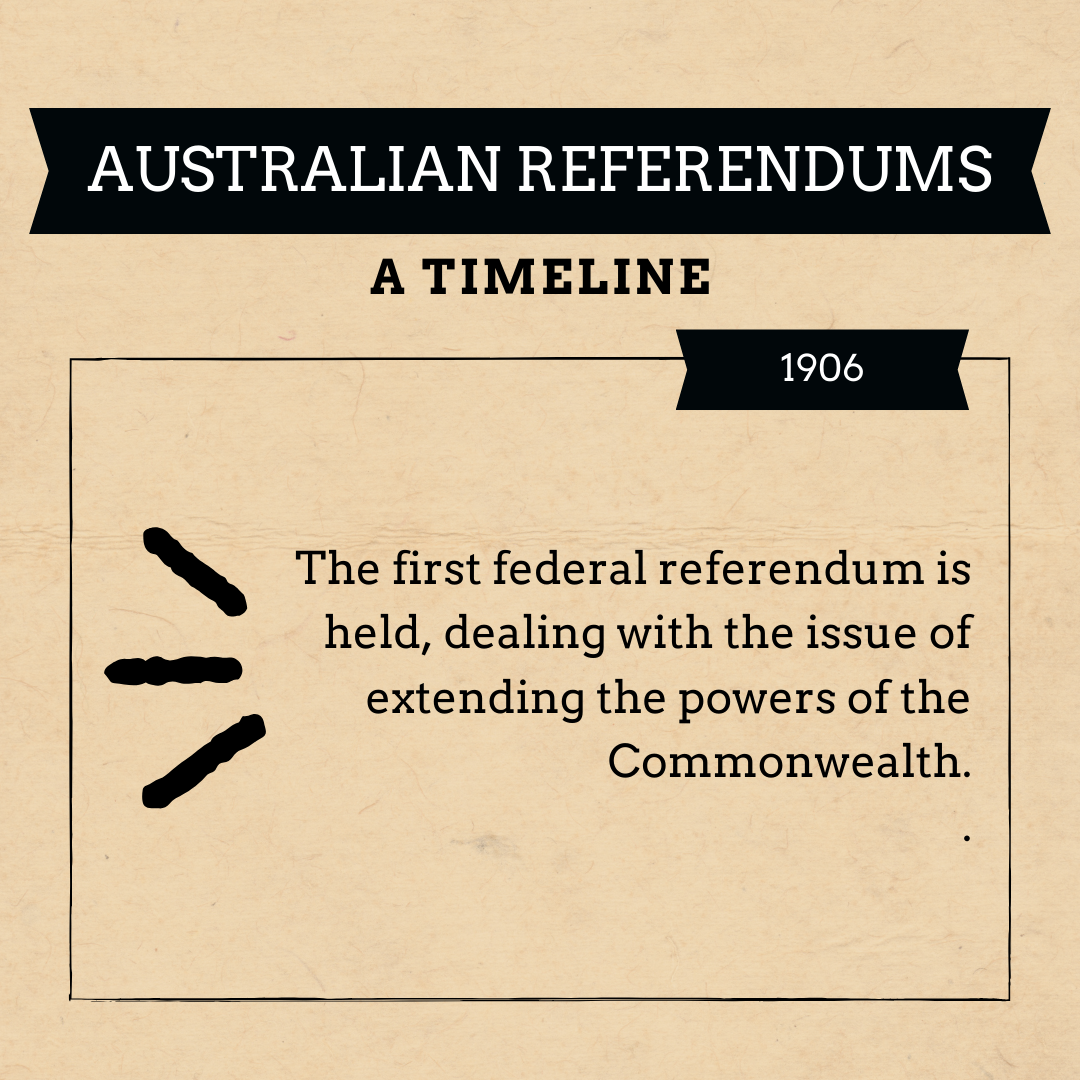
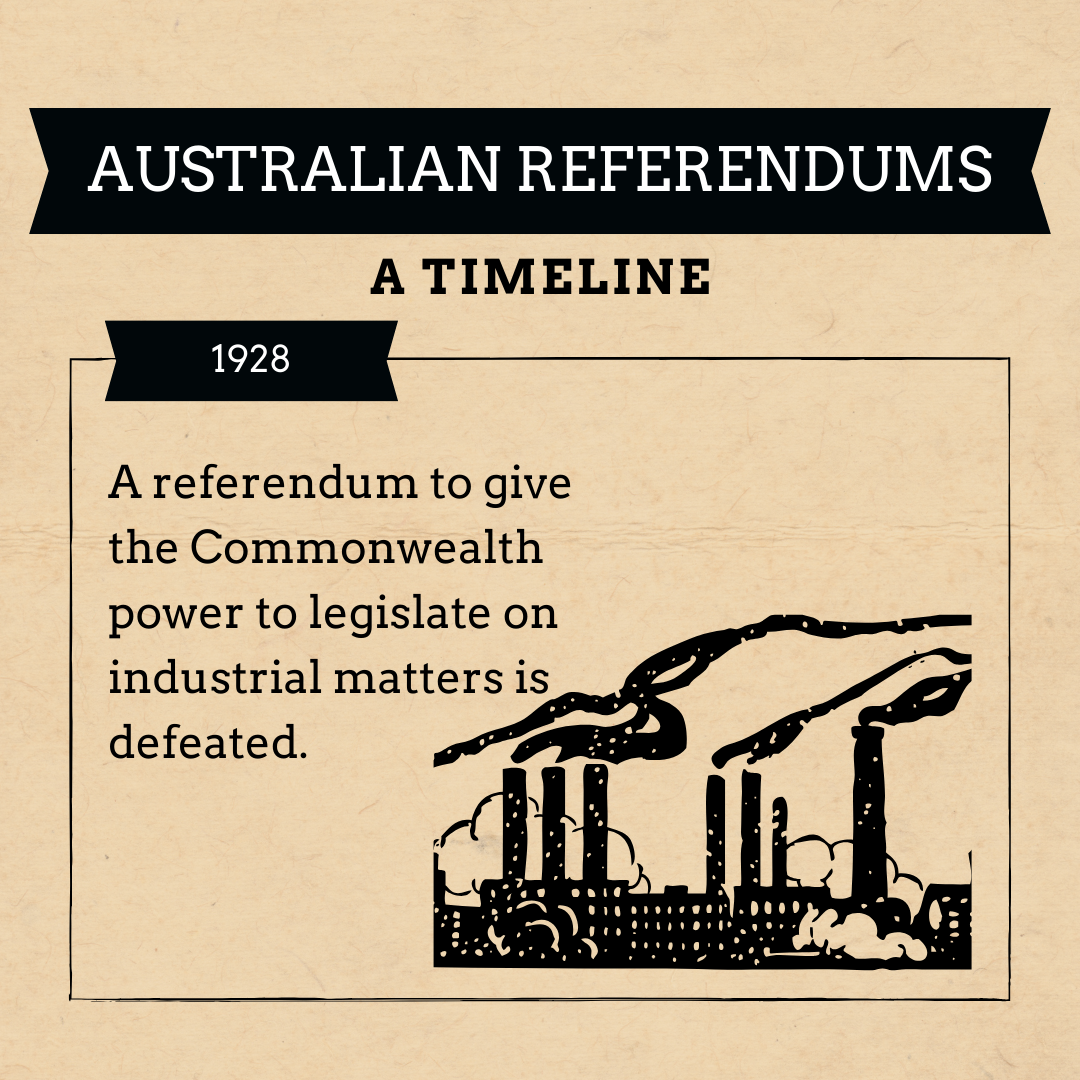
Referendums in Australia have historically been catalysts for robust debates and controversies, shaping the nation’s political landscape and often reflecting the complexities of a diverse society. These pivotal moments in Australian democracy have illuminated contentious issues ranging from Indigenous rights to constitutional reforms and republicanism.
One of the most significant referendums in Australia’s history occurred in 1967. It aimed to amend the Constitution to include Indigenous Australians in the national census and grant the federal government the power to legislate for them. This referendum was fraught with controversy, as it brought to the forefront deep-seated issues of racial discrimination and inequality. Some opponents argued that the proposed changes encroached on states’ rights. Nevertheless, the referendum ultimately passed with an unprecedented 90.77% ‘Yes’ vote, signalling a watershed moment in the recognition of Indigenous rights.
The importance of this change cannot be overstated. By securing an overwhelming ‘Yes’ vote, the nation sent a resounding message that it was time to recognise Indigenous Australians as full citizens. The constitutional reform allowed for the federal government to legislate for the benefit of Indigenous communities, marking a significant step towards rectifying centuries of discrimination, dispossession, and marginalisation.
Moreover, the 1967 referendum was a symbol of national unity and bipartisanship. Rarely in Australian political history have both major political parties, the Liberal-Country Coalition and the Australian Labor Party, stood together in support of a cause. This bipartisan consensus demonstrated that the issue of Indigenous rights transcended party politics, fostering a sense of collective purpose and national solidarity.


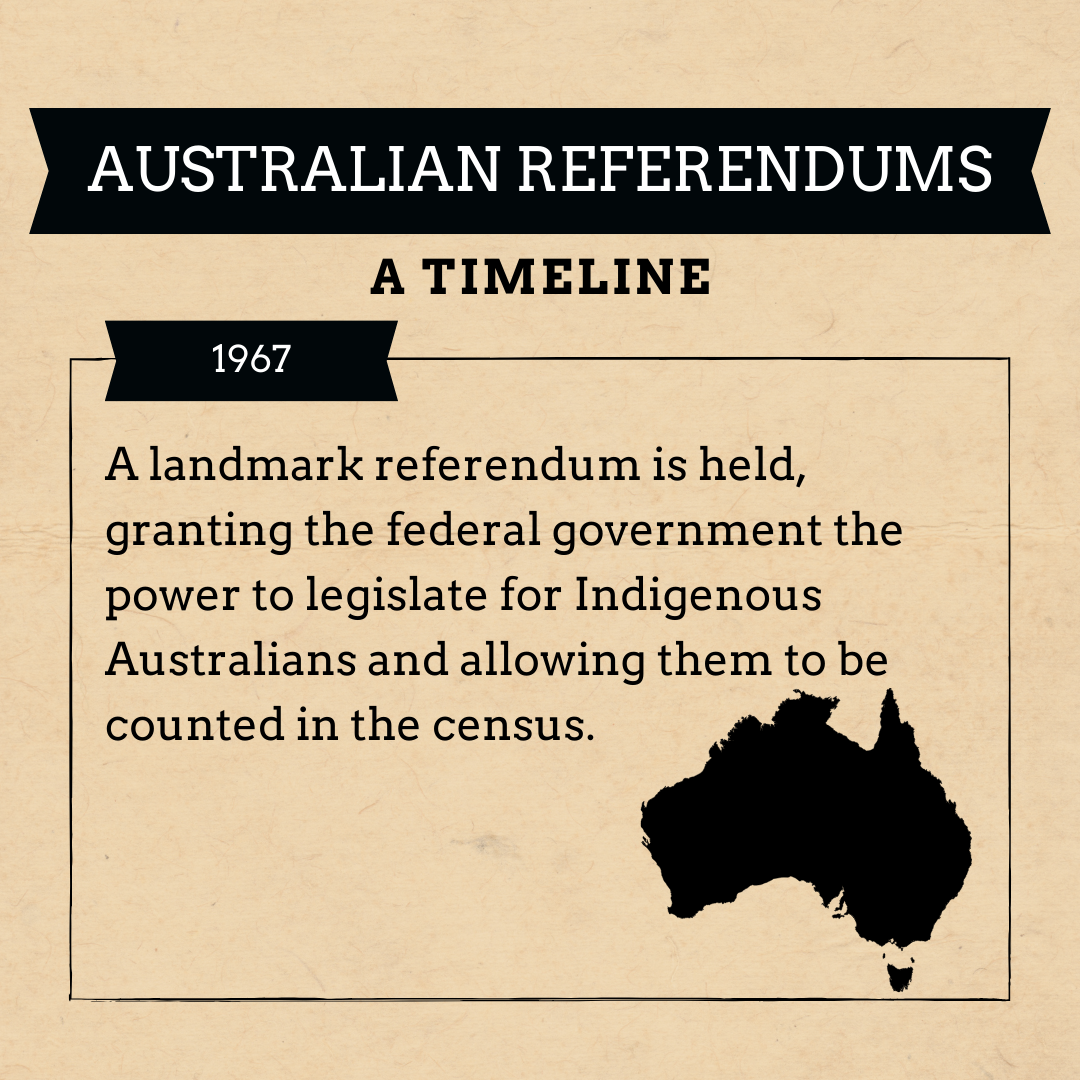

The referendum’s outcome had immediate legal implications. It empowered the federal government to make laws for Indigenous Australians, enabling the dismantling of discriminatory policies and paving the way for progressive legislation in areas such as land rights and welfare. This newfound legal authority was pivotal in addressing the historical injustices faced by Indigenous communities.
Another contentious referendum took place in 1999, which sought to determine whether Australia should become a republic, severing its ties with the British monarchy. This issue generated intense debates, dividing the nation along ideological lines. Disagreements centered on the proposed republican model, the role of the president, and the significance of maintaining historical ties to the monarchy. Ultimately, the ‘No’ campaign prevailed, maintaining Australia’s status as a constitutional monarchy.
The 1999 referendum was pivotal in Australia’s quest to define its national identity. For much of its history, Australia has been a constitutional monarchy with the British monarch as its head of state. The referendum raised essential questions about Australia’s sovereignty and the desire to assert a distinct national identity. The referendum ignited intense political discourse and engagement across the nation. Advocates for the republic argued for a modern Australia that would elect its own head of state. In contrast, monarchists advocated for preserving the constitutional monarchy, emphasising its historical continuity and stability. The campaign captured the imagination of Australians and inspired passionate discussions about the nation’s future direction.
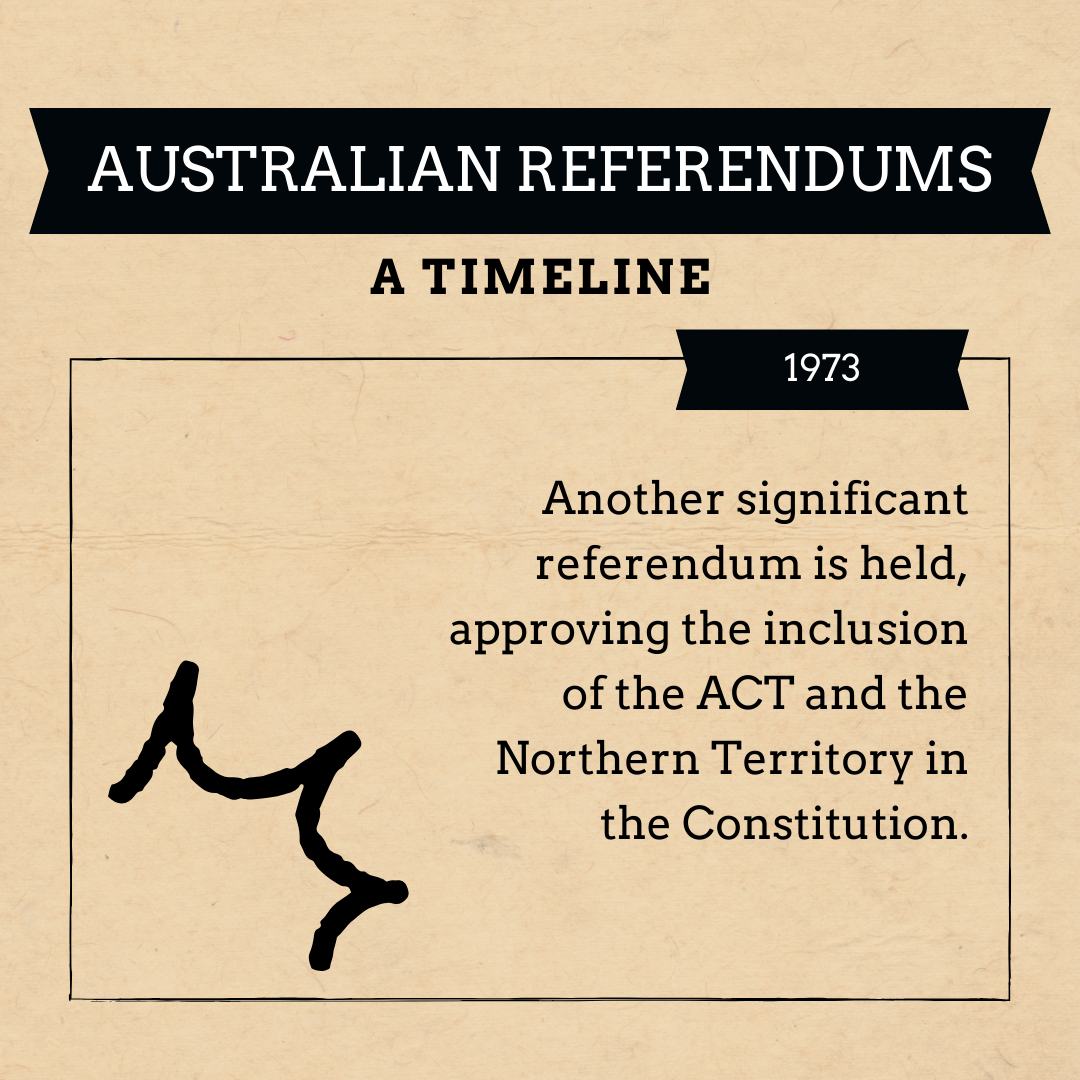
The history of referendums in Australia reflects the nation’s ongoing commitment to democratic principles and its evolving approach to addressing crucial constitutional and policy issues. Throughout its history, Australia has conducted various referendums that have left a lasting impact on the nation’s governance, identity, and social fabric.
These referendums have covered a wide range of issues, including Indigenous rights, national defence, social policy, and governance structures. The outcomes of these votes have sometimes brought about significant changes, while at other times, they have highlighted the complexities of achieving consensus on critical matters.
As Australia’s democracy continues to evolve, so too will its use of referendums to address emerging challenges and opportunities. The history of referendums in Australia serves as a testament to the nation’s democratic spirit and its commitment to shaping its own destiny through active citizen participation in the political process.